
Ensure your payroll function is accurate and compliant with the CIPP 2025 Payroll Provider of the Year.

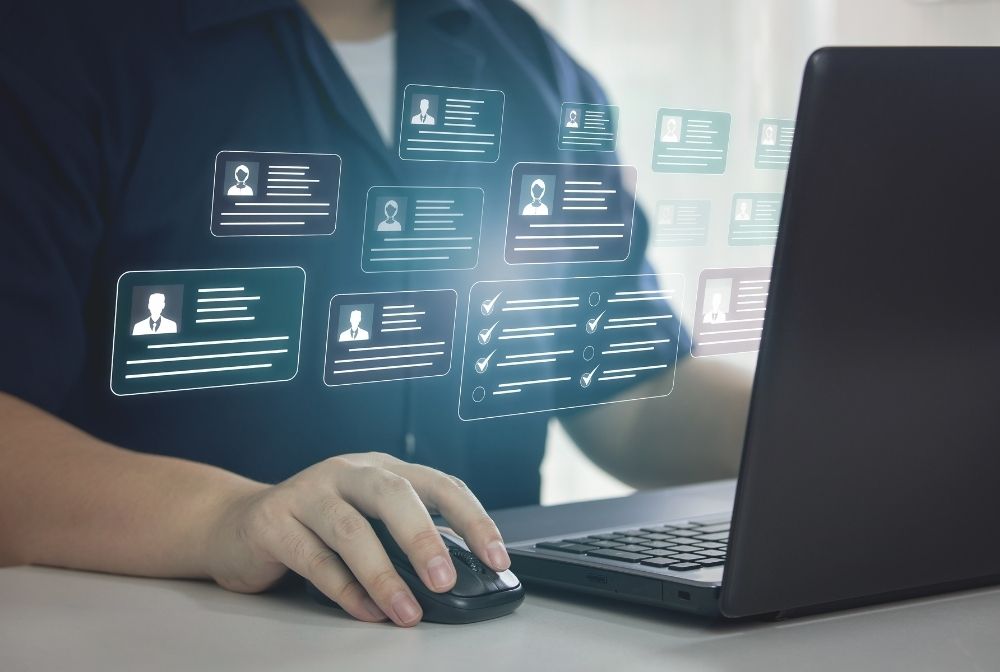
HR teams have never been asked to juggle so much. They’re expected to support hybrid workforces, keep pace with changing legislation, improve employee experience, deliver accurate payroll and provide meaningful workforce insights, often without any extra time or resource.
That’s why having a future-ready HR system matters. A future-ready HR system is one that scales, integrates and adapts to regulatory and workforce changes. It removes unnecessary administration, connects HR with payroll and finance, and gives teams the confidence that their technology can evolve alongside the business.
The trouble is, many organisations are still relying on systems that were designed for a very different world of work. They may have served the business well for years, but today’s demands are greater. As organisations grow, manual processes creep in, information becomes fragmented and simple tasks start taking longer than they should. It’s a bit like trying to build a puzzle with pieces from different boxes. Eventually, things stop fitting together properly.
Investing in a future-ready HR system isn’t about chasing the latest technology. It’s about creating a solid foundation that makes everyday work simpler today while giving your organisation the flexibility to adapt tomorrow. Choosing the right solution is just as important as choosing the right implementation partner, which is why it’s worth taking the time to understand what makes a good HRIS buying process before making any major decisions.
If you’re wondering whether it’s time for an HR systems upgrade, there are usually a few tell-tale signs.
How do I know if my HR system is outdated? If your HR software depends on manual administration, doesn’t integrate with other business systems and makes reporting or compliance harder than it needs to be, it’s probably no longer supporting your organisation as effectively as it could.
Some of the most common warning signs include:
Individually, these issues might seem manageable. Together, they can quietly drain time, increase risk and make it much harder for HR to focus on strategic work. Many organisations don’t realise just how much effort their legacy systems are creating until they see what a modern platform can do instead.
A future-ready HR system includes cloud access, automation, integration and built-in compliance tools. Together, these features help HR teams spend less time managing processes and more time supporting people.
Modern cloud HR software allows HR teams to work securely from anywhere while giving employees and managers access to self-service tools for everyday tasks such as booking leave, updating personal details or viewing documents.
One of the biggest advantages of cloud technology is that it continues to evolve. Software updates, security improvements and regulatory changes are delivered automatically, helping organisations stay current without disruptive upgrade projects. If you’re weighing up different approaches, our guide to cloud vs on-premise HR software explores the differences.
If there’s one area where modern HR technology delivers immediate value, it’s integration.
Think of your HR technology as an orchestra. When every system is playing from the same sheet of music, everything runs smoothly. When they aren’t connected, HR, payroll and finance all end up working from different versions of the truth.
When employee data flows automatically between HR and payroll, changes such as salary updates, new starters and contractual amendments only need to be entered once. That means fewer errors, less administration and far greater confidence in payroll accuracy.
The same principle applies across the wider business. Integrating HR with finance, recruitment, identity management and time and attendance systems removes duplicate work and creates a much clearer picture of your organisation. Our article on HR integrations that reduce stress for HR teams looks at some of the most valuable connections, while our Connections managed service explains how these integrations can be designed, implemented and supported.
Good data shouldn’t feel like looking in the rear-view mirror.
Modern HR software UK organisations rely on provides real-time dashboards and reporting, allowing leaders to understand what’s happening now rather than what happened several weeks ago.
Whether you’re monitoring absence, turnover, recruitment or payroll costs, access to accurate workforce data makes it easier to spot trends early, respond to challenges and make better-informed decisions. It’s one of the reasons real-time HR data is becoming such a strategic advantage for forward-thinking organisations.
Automation sits at the heart of successful HR digital transformation, but it doesn’t always need to be complicated.
It’s easy to assume every HR challenge needs an AI solution, but that’s rarely the case. Often, the biggest improvements come from automating simple, repetitive processes. A straightforward workflow that routes approvals automatically or transfers information between systems can save hours every month while reducing the risk of human error.
The most effective organisations don’t automate for the sake of it. They look for the processes that consume valuable time and find the simplest, most effective way to improve them.
For UK organisations, compliance isn’t something that can be added later.
A future-ready HR system should help support GDPR requirements, maintain detailed audit trails, assist with HMRC reporting obligations and provide strong security controls to protect sensitive employee information. When compliance is built into everyday processes rather than bolted on afterwards, it becomes much easier to manage.
A modern HR system doesn’t just replace old software. It changes the way HR, payroll and finance teams work together.
Some of the biggest benefits include:
Perhaps the biggest benefit is that HR teams gain more time for the work that really adds value. Instead of chasing spreadsheets or correcting duplicate information, they can focus on supporting managers, improving employee experience and contributing to wider business goals. Modern platforms also play a key role in improving the employee experience at scale by making everyday interactions simpler for everyone.
How can you future-proof your HR system? Start by understanding where your current technology is slowing you down, then build a roadmap that supports both today’s priorities and tomorrow’s ambitions.
A practical approach includes:
Future-proofing isn’t about predicting every challenge your organisation might face over the next decade. It’s about building technology that can respond confidently when those challenges inevitably arrive.
The future of HR will belong to organisations with technology that is flexible, connected and capable of adapting to change. As expectations continue to grow, outdated systems can quickly become an anchor, slowing down teams that should be driving the business forward.
Whether you’re considering an HR systems upgrade, improving payroll integration or planning a wider programme of HR digital transformation, investing in the right foundations now will make every future improvement easier.
At Phase 3, we help organisations select, implement, integrate and optimise HR, payroll and finance technology that delivers long-term value. From HR systems integrations to consultancy and managed services, we work alongside organisations to build HR technology that’s ready not just for today, but for whatever comes next.
A future-ready HR system is flexible, cloud-based software that adapts to regulatory changes, integrates with payroll and finance systems, automates core HR processes and provides real-time reporting to support better business decisions.
Signs that it’s time for an upgrade include increasing manual administration, duplicate data entry, poor reporting, limited integration with payroll or finance, growing compliance concerns and software that struggles to keep pace with your organisation.
Payroll integration allows employee information to flow automatically between HR and payroll systems. This reduces duplicate data entry, improves payroll accuracy, saves time and helps organisations remain compliant with HMRC reporting requirements.
When evaluating HR software UK, organisations should look for cloud-based deployment, GDPR compliance, HMRC and RTI support, payroll integration, workflow automation, real-time reporting, strong security and the flexibility to grow with the business.
Yes. Cloud HR software reduces administration by automating routine tasks, supporting employee self-service, enabling secure remote access and ensuring organisations always have access to the latest software updates and security improvements.

James is our Chief Operating Officer, leading the service delivery and operations for Phase 3.